Sightseeing tours
Try New & Exciting things


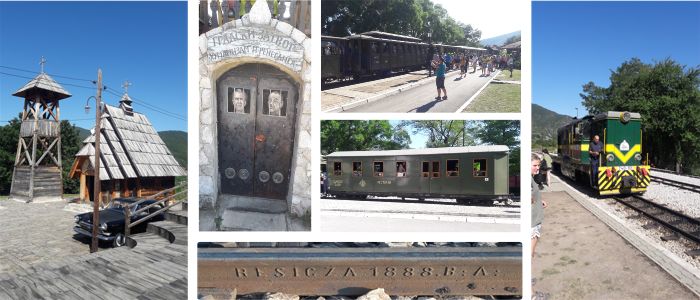
In addition, the well-known Serbian film director Emir Kusturica has also made a contribution to the development of tourism in Mokra Gora. In 2004, he financed the construction of an ethno village Drvengrad (Timber Town) near Mokra Gora. For this development, Kusturica received the Philippe Rotthier European Architecture Award from the Brussels Foundation for Architecture.
Mokra gora, sarganska osmica
The Sargan eight tour by Vacation in Serbia
Mokra Gora, meaning the Wet Mountain in English, is a village in Serbia on the northern slopes of mountain Zlatibor. Emphasis on historical reconstruction has made it into a popular tourist center with unique attractions.
Mokra Gora has become popular after a reconstruction of a narrow gauge railway called Sargan Eight which is unique in the world. Its route viewed from the sky, looks like the number 8.
time table - July and August: 10:30, 13:30, 16:10
time table - September and October: 10:30, 13:30
Explore the beauty

Wine Tasting tour

Novi Sad
and Sremski Karlovci by Vacation in Serbia
Daily tour to Novi Sad, second largest city in Serbia, Sremski Karlovci most beautiful city in Serbia, Petrovaradin fortress... Places you must visit and hear interesting stories. You will enjoy in touch of Habsburgh monarchy, beautifull landscape, food and drinks.

Explore the beauty
Zemun tour
Belgrade tour
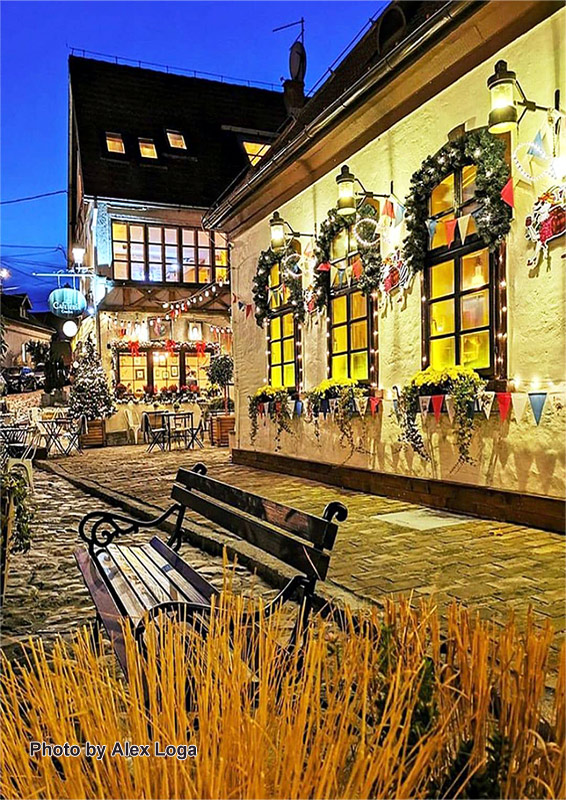
Belgrade tour
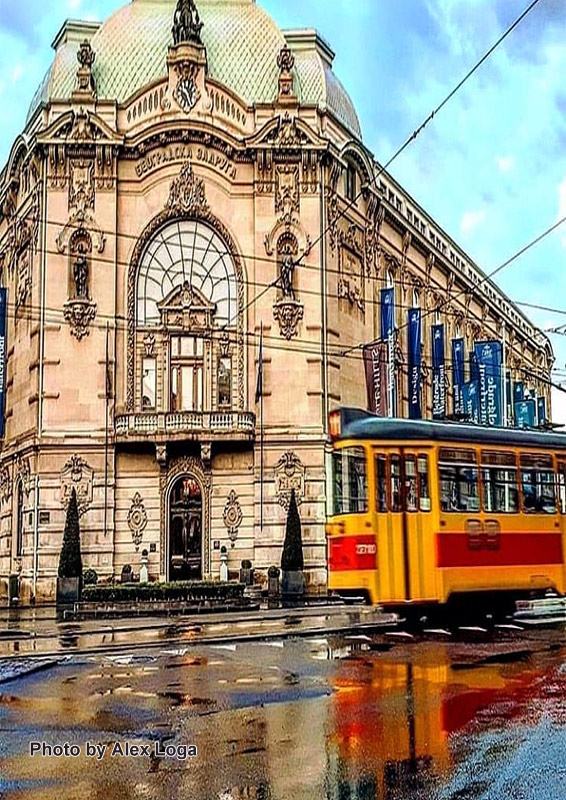
Belgrade
and Zemun by Vacation in Serbia
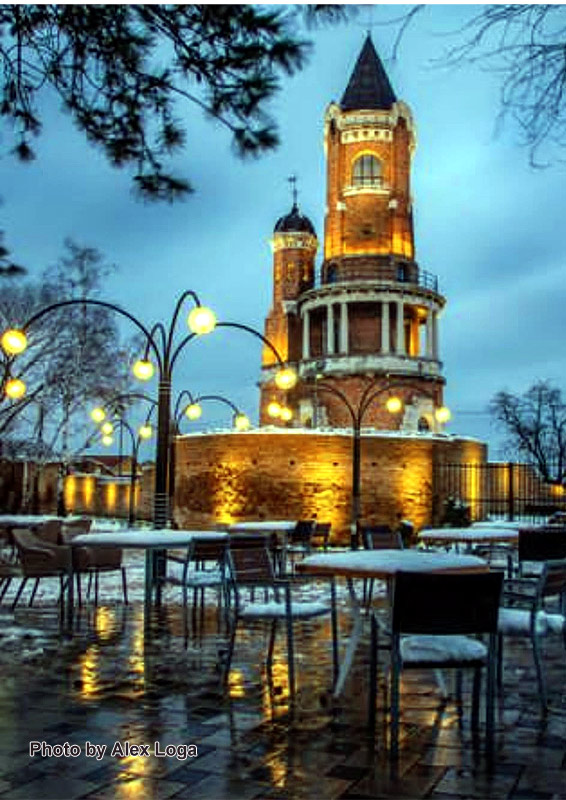
Belgrade, capitol of Serbia. City on the border between two empires. Enjoy in diversities. Kalemegdan fortress, Avala tv tower, Skadarlija street, Zemun, tower of Gardos, Ada ciganlija, House of flowers, Knez Mihajlo street, National museum, National theatre, St Sava temple, Nikola Tesla museum, Serbian Parlament... Places you must visit. Enjoy in the best food. Traditional and modern restaurants.
The Best night life in Europe
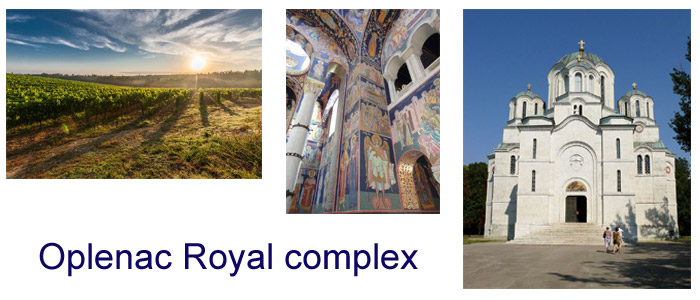
Oplenac Royal complex
and Topola by Vacation in Serbia
Daily tour. St. George's church, mausoleum of the royal house of Karadjordjevic. Oplenac, hill in the town of Topola where is located mausoleum. Church made of white marble from mountain Vencac. Interior mosaic made with 40 million various coloured pieces of glass.
King Peter I house, Vineyard house... Touch of Serbian royal house of Karadjordjevic. You will meet Serbian history and tradition under Otoman's empire.
Photo By Mckayser - Own work, CC BY 3.0, Link By Alekino [CC BY-SA 3.0 ], from Wikimedia Commons
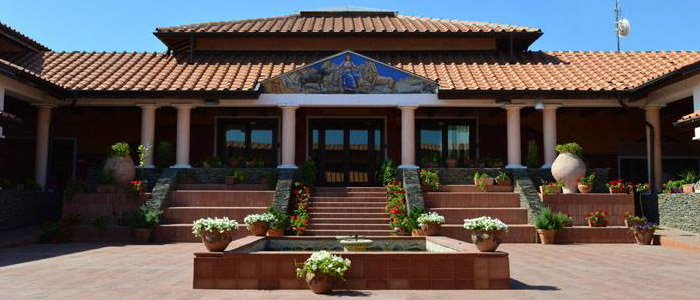
Viminacium
Roman city and legionary fort and mammoth park by Vacation in Serbia
Viminacium is located 12 km from Kostolac. The city dates back to the 1st century. Viminaciium was one of the biggest cities with 40.000 inhabitants. You will meet with turbulent history from Roman empire. Archaeological site occupies 450 hectares. Part of Viminacium is beautifull mammoth park.
working hours in April 09:00 - 19:00
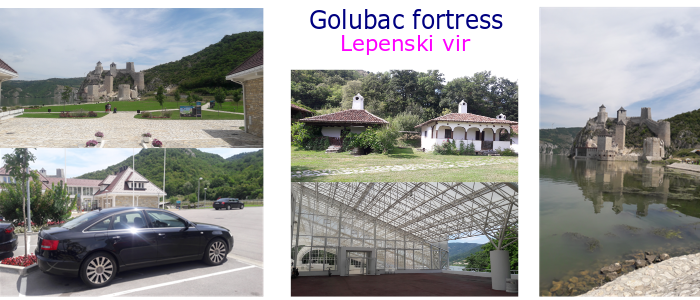
Lepenski vir is an important archaeological site of the Mesolithic Iron Gates culture of the Balkans. The latest radiocarbon and AMS data suggests that the chronology of Lepenski Vir is compressed between 9500/7200-6000 BC. There is some disagreement about the early start of the settlement and culture of Lepenski Vir. But the latest data suggest 9500-7200 to be the start. The late Lepenski Vir (6300-6000 BC) architectural development was the development of the Trapezoidal buildings and monumental sculpture.
Golubac Fortress
and Lepenski Vir by Vacation in Serbia
Golubac, in the Branicevo District of north-eastern Serbia and on the modern-day border with Romania, marks the entrance to the Djerdap national park. It is strategically located on the embankment of the Danube River where it narrows to form the Iron Gate gorge, allowing for the regulation and taxation of traffic across and along the river. At the fortress location, the Danube is 6.5 km (4.0 mi) wide. In the Middle Ages, this was done with the aid of a strong chain connected to Babakaj, a rock on the far side of the river.
The Golubac fortress was a medieval fortified town on the south side of the Danube River, 4 km (2.5 mi) downstream from the modern-day town of Golubac, Serbia. According the recent discoveries, the fortress, which was built during the 14th century by Medieval Serbian state, is split into three compounds which were built in stages.[1] It has ten towers, most of which started square, and several of which received many-sided reinforcements with the advent of firearms. Towers were not connected for easier defense. Also inside the fortress were found Serbian Medieval frescos